
Qi Gong is still quite new to us: We have little experience with it so far and therefore don't want to pretend to be experts. What we are, however, is curious. Because many aspects of Qi Gong feel familiar to us at the same time. Like yoga, Qi Gong is about conscious movement, breathing, concentration, and the idea of taking time to refocus one's perception on the body.
Reason enough for us to take a closer look: What exactly is Qi Gong and where does the practice come from? We also have a session for you on our YouTube channel that you can try out yourself without any prior experience.
What is Qi Gong?
Qi Gong is a traditional Chinese practice that connects movement, breathing, and awareness. Its roots go far back into Chinese history. Over a long period, different forms developed within the context of Chinese health practices as well as Daoist and Buddhist traditions.

The term itself is composed of two Chinese words: "Qi" is often translated as life energy and can also be associated with breath. "Gong" simply means work, practice, or a skill developed through continuous practice. Qi Gong can therefore be roughly understood as "continuous work with Qi."
Furthermore, there isn't just one Qi Gong. The term encompasses various exercise systems and traditions.
How does Qi Gong work?
When first seeing Qi Gong, one might initially think: "Not much is happening." But precisely therein lies part of the appeal for practitioners. Many Qi Gong exercises consist of slow, flowing movements. These are combined with conscious, often calm and deep breathing, as well as focused attention. In addition to dynamic forms, there are also quieter, meditative variants where little or no movement takes place.
The practice is not about reaching a position as far as possible or performing a movement particularly quickly. The movements, postures, breathing, and attention together become part of the practice, making Qi Gong a "mind-body practice." This means it's a form of movement that combines physical and meditative elements.
What are the effects of Qi Gong?
When discussing the effects of Qi Gong, a nuanced perspective is also worthwhile. Traditionally, Qi Gong is associated with the idea of cultivating or balancing the Qi in the body.
From a scientific perspective, however, the focus is primarily on examining the impact of the combination of gentle movement, conscious breathing, and focused attention on physical and psychological well-being. Positive research results have been found in areas such as balance and fall prevention. Possible effects on chronic pain and cognitive abilities have also been investigated. However, the research varies depending on the specific question and is sometimes still limited. Therefore, Qi Gong should not be understood as a medical cure. You can read more about this, for example, here.

Qi Gong and Yoga, similar yet different for us
Of course, we wondered how Qi Gong and Yoga relate to each other.
The two practices have different cultural and philosophical origins: Yoga has its roots in India, Qi Gong in China. Nevertheless, there are commonalities. Both can combine postures or movements with breathing, concentration, and meditative elements. Therefore, Yoga, Tai Chi, and Qi Gong are sometimes grouped today under the term "meditative movement."
So, those who practice yoga may recognize some aspects or effects, without Qi Gong simply being another form of yoga. That's exactly what we find exciting.
Qi Gong for beginners: Do you need to be able to do anything?
No, and that's what we particularly like. Many Qi Gong exercises for beginners require neither special flexibility nor strength or prior experience. It is therefore a quite inclusive practice.
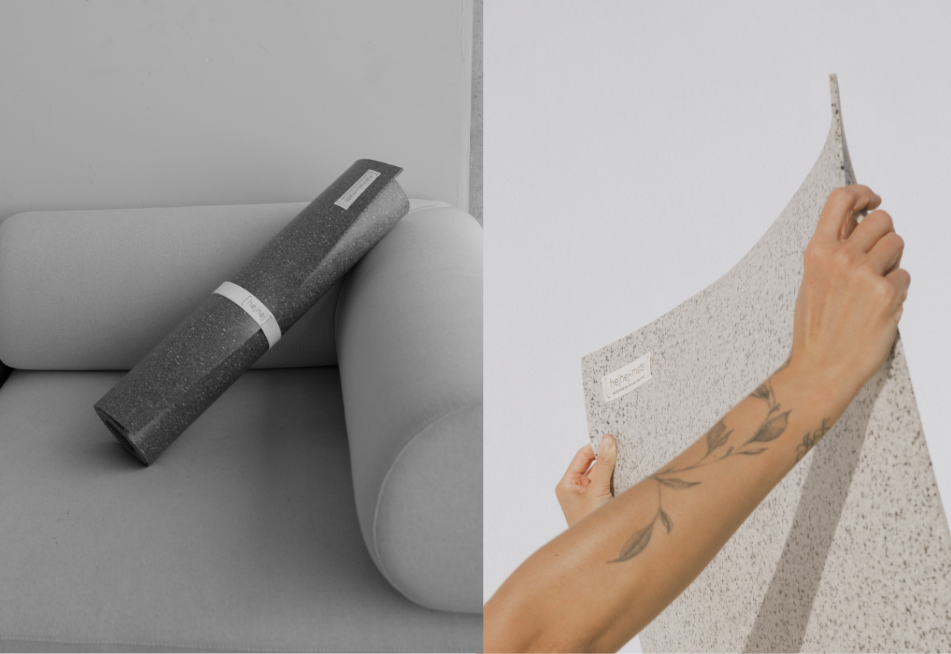
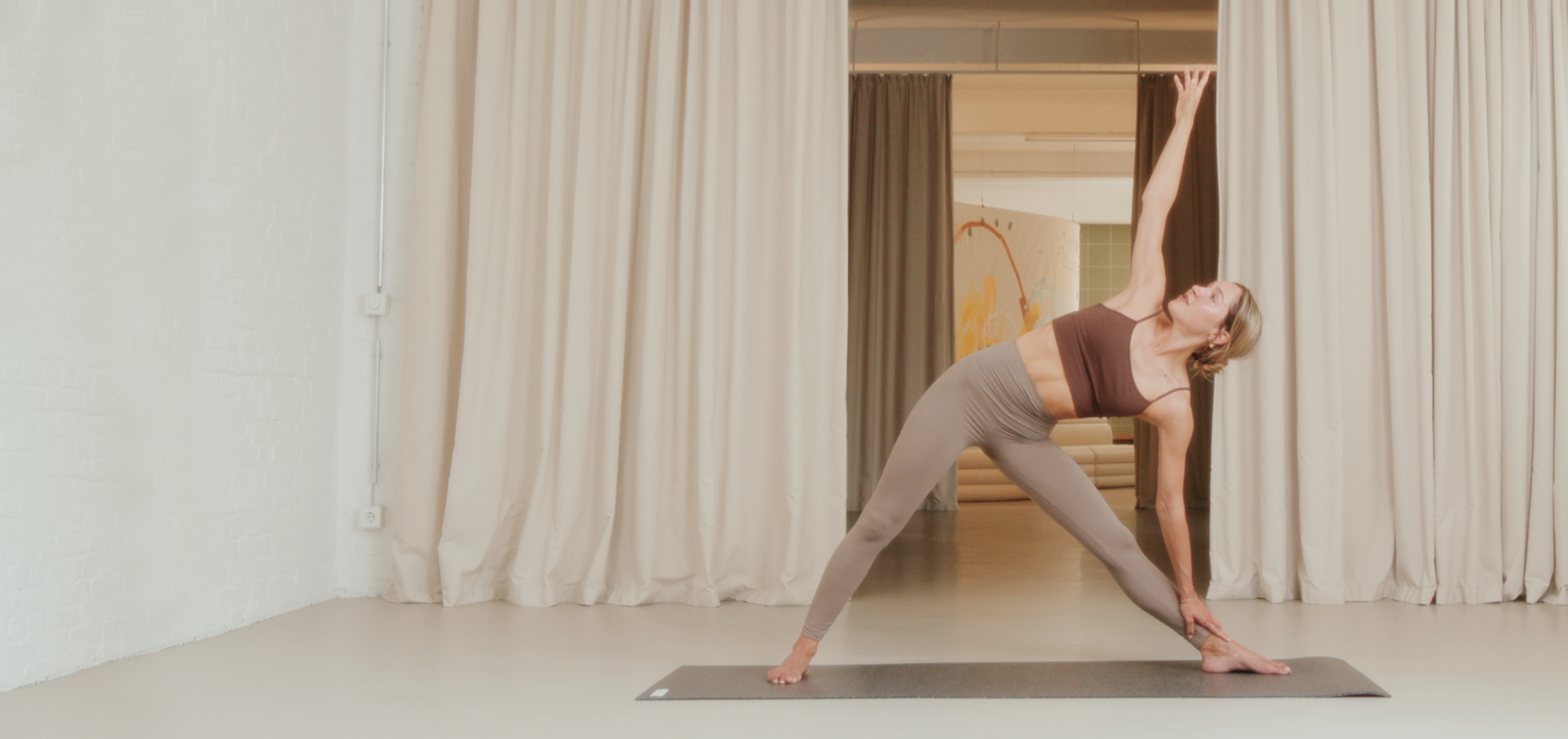
Little equipment is needed either. Comfortable clothing and a place where you can move well are enough to get started. If you like to practice on a soft, stable surface, you can of course also use your hejhej-mat. It can provide you with a fixed place for your practice.
Want to try Qi Gong with us?
As we said, we are still at the very beginning of our exploration of Qi Gong and cannot, of course, fully explain a millennia-old, diverse tradition. However, we wanted to give you a small insight and also create space for you to get to know something new, with respect for its origin.
We also have a Qi Gong class for beginners on our YouTube channel. You don't need any prior knowledge for it.
If you want to read more:
There is an incredible amount of literature on Qi Gong. A classic, for example, is "Qigong: Grundlagen, Methoden, Anwendungen" from 1997 by Kenneth Cohen, published by Krüger Verlag.